What Is Dental Health and Why Does It Matter?
Dental health, also known as oral health, refers to the condition of your teeth, gums, and entire mouth. It’s more than just having a bright, white smile. It’s about maintaining healthy tissues, preventing disease, and ensuring your mouth functions properly every single day. Think about it—your mouth is the gateway to your body. Everything you eat, drink, and even breathe passes through it. If something goes wrong there, it can affect much more than just your smile.
So what exactly does good dental health look like? It means having clean teeth free of plaque and decay, gums that are pink and firm without bleeding, and fresh breath. It also means being free from pain, infections, and inflammation. When your oral health is in good shape, you can eat comfortably, speak clearly, and smile confidently.
But why does it matter so much? Poor dental health doesn’t just lead to cavities. It can result in gum disease, tooth loss, and even serious infections. Research has shown links between oral health problems and conditions like heart disease, diabetes, and respiratory infections. That’s right—what happens in your mouth doesn’t stay in your mouth.
Taking care of your dental health isn’t complicated, but it does require consistency. Brushing, flossing, regular dental visits, and mindful eating habits all play a role. The good news? Small daily habits can make a massive difference over time. Just like exercising keeps your body fit, maintaining oral hygiene keeps your mouth strong and healthy.
When you invest in your dental health, you’re investing in your overall well-being. And that’s something worth smiling about.
How Your Teeth Work: Understanding the Structure of a Tooth
Your teeth might look simple on the outside, but inside, they’re complex and fascinating structures. Each tooth is designed to help you chew, speak, and maintain the shape of your face. Understanding how they work can help you appreciate why protecting them is so important.
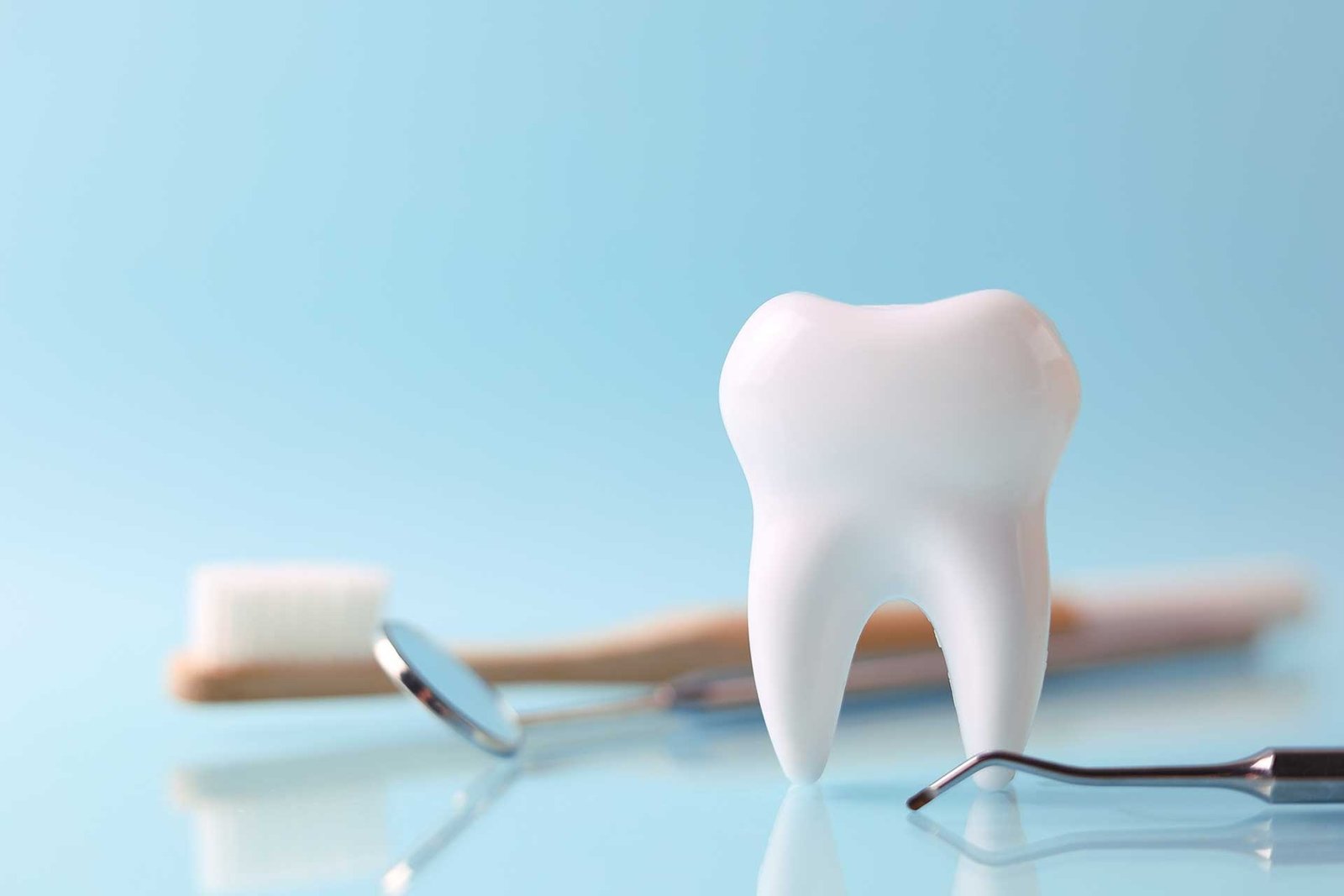
A tooth has two main parts: the crown and the root. The crown is the visible part above the gum line, and the root anchors the tooth securely into your jawbone. Beneath the surface lies a layered system, each part playing a crucial role.
Teeth are built to handle incredible pressure. When you chew, your molars can exert over 200 pounds of force. That’s like balancing a grown adult on a single tooth! To withstand that, teeth are made of the hardest substance in the human body—enamel.
But here’s the catch: unlike your skin or bones, enamel doesn’t regenerate. Once it’s damaged, it’s gone for good. That’s why prevention is everything in dental care.
Your teeth also contain living tissue inside, which means they can feel pain and temperature changes. That sensitivity is actually your body’s warning system, alerting you when something isn’t right.
Understanding how your teeth function is like understanding how a car engine works. When you know the parts and their roles, you’re more likely to take care of them properly. And when your teeth are healthy, they work silently in the background, helping you enjoy every meal and conversation without a second thought.
Enamel: Your First Line of Defense
Enamel is the outermost layer of your tooth, and it’s nothing short of amazing. It’s the hardest substance in your body—even stronger than bone. Its main job? Protecting the sensitive inner layers of your teeth from damage, decay, and extreme temperatures.
Every time you bite into a crunchy apple or sip hot coffee, enamel absorbs the impact. It acts like a shield, defending your teeth from daily wear and tear. But despite its strength, enamel isn’t invincible.
Acid is enamel’s biggest enemy. When you eat sugary or starchy foods, bacteria in your mouth feed on those sugars and produce acid. This acid gradually erodes enamel in a process called demineralization. If this continues unchecked, it leads to cavities.
The tricky part is that enamel doesn’t contain living cells. That means once it’s worn away, your body can’t rebuild it naturally. However, fluoride can help strengthen enamel and even reverse early stages of damage by promoting remineralization.
Protecting your enamel comes down to smart habits:
- Brush twice a day with fluoride toothpaste
- Limit sugary and acidic foods
- Avoid brushing immediately after acidic meals
- Visit your dentist regularly
Think of enamel like the paint on your car. If you maintain it, it stays shiny and protective. Ignore it, and rust—or in this case, decay—sets in. Taking care of your enamel is one of the most important steps in maintaining long-term dental health.
Dentin, Pulp, and Roots Explained
Beneath the enamel lies dentin, a softer, yellowish layer that makes up the bulk of your tooth. Unlike enamel, dentin contains tiny tubules that connect to the inner pulp. This is why, when enamel wears down, you may start experiencing tooth sensitivity.
Dentin acts as a support structure for enamel, but it’s much more vulnerable to decay. Once a cavity penetrates the enamel and reaches dentin, it spreads more rapidly. That’s why early detection of tooth decay is so important.
At the center of the tooth is the pulp. This is the living core, containing nerves, blood vessels, and connective tissue. The pulp keeps the tooth alive and responsive. When bacteria reach the pulp, it can cause intense pain and infection, often requiring a root canal treatment to save the tooth.
The roots anchor your teeth into the jawbone. Covered by a substance called cementum, roots are held in place by periodontal ligaments. These ligaments act like shock absorbers, allowing slight movement when you chew.
Understanding these inner layers highlights why cavities shouldn’t be ignored. What starts as a small surface problem can quickly become a deep infection affecting the root and surrounding bone.
Your teeth aren’t just solid chunks of mineral—they’re living structures that need care and protection. When you treat them well, they can last a lifetime.
How Oral Health Affects Your Overall Health
It might surprise you, but your mouth is closely connected to the rest of your body. Oral health isn’t isolated—it’s deeply intertwined with systemic health. Inflammation and bacteria in the mouth can travel through the bloodstream, affecting major organs.
For example, gum disease has been linked to heart disease. The inflammation caused by periodontal disease may contribute to clogged arteries and increase the risk of heart attack or stroke. Similarly, people with diabetes are more prone to gum infections, and severe gum disease can make blood sugar harder to control.
Respiratory infections are another concern. Harmful bacteria from the mouth can be inhaled into the lungs, potentially causing pneumonia, especially in older adults.
Pregnant women with gum disease may face a higher risk of premature birth and low birth weight babies. That’s how powerful oral health can be—it reaches far beyond your smile.
Maintaining good dental hygiene reduces inflammation and bacterial load, supporting your body’s overall health. Brushing and flossing might seem small, but they’re powerful preventive tools.
Think of your mouth as the front door to your body. If you keep it clean and secure, you protect everything inside. Ignore it, and unwanted problems may sneak in.
Your dental health is not just about aesthetics—it’s about total wellness.
Common Dental Problems and How They Develop
Dental problems don’t just appear overnight. They build up slowly, often quietly, until one day you feel pain, notice bleeding gums, or spot a dark stain on your tooth. The tricky part? Most dental issues start small and painless. That’s why understanding how they develop gives you a serious advantage.
The most common dental problems include:
- Tooth decay (cavities)
- Gum disease (gingivitis and periodontitis)
- Tooth sensitivity
- Bad breath (halitosis)
- Tooth erosion
- Oral infections
Each of these conditions usually begins with poor oral hygiene or neglect. When plaque—a sticky film of bacteria—forms on your teeth and isn’t removed, it starts causing damage. Plaque thrives on leftover sugars and carbohydrates. The bacteria feed, multiply, and produce acids that attack tooth enamel and irritate gum tissue.
Over time, this constant acid exposure weakens enamel, leading to cavities. At the same time, plaque buildup along the gumline causes inflammation, redness, and bleeding—early signs of gum disease.
Dental problems are progressive. Gingivitis, the earliest stage of gum disease, is reversible with proper care. But if left untreated, it can develop into periodontitis, a more serious condition that damages bone and may lead to tooth loss.
Tooth sensitivity often develops when enamel wears down or gums recede, exposing the dentin underneath. Suddenly, that cold drink you once enjoyed becomes uncomfortable.
The key takeaway? Most dental problems are preventable. They develop because bacteria are given time and opportunity to cause harm. Regular brushing, flossing, and dental checkups interrupt that cycle.
Your mouth is constantly under attack from bacteria—but with the right habits, you stay in control.
Tooth Decay (Cavities)
Tooth decay is one of the most common health conditions in the United States. In fact, nearly 90% of adults have had at least one cavity in their lifetime. But what exactly is a cavity?
A cavity is a permanently damaged area in the hard surface of your tooth that develops into a tiny hole. It begins when plaque bacteria produce acid that erodes enamel. If that erosion continues, it penetrates deeper into the tooth structure.
Cavities don’t always hurt in the early stages. That’s what makes them dangerous. You might not feel anything until the decay reaches the dentin or pulp. At that point, symptoms may include:
- Toothache
- Sensitivity to hot, cold, or sweet foods
- Visible holes or dark spots
- Pain when biting
Without treatment, cavities grow larger. Eventually, they can cause infection, abscess formation, and even tooth loss.
Treatment depends on severity. Early-stage decay may be reversed with fluoride treatments. Moderate cavities require fillings. Severe decay might need crowns or root canals.
Here’s the good news: cavities are largely preventable. Limiting sugary foods, brushing with fluoride toothpaste, flossing daily, and visiting your dentist twice a year dramatically reduce your risk.
Think of cavities like rust on metal. The earlier you catch it, the easier it is to fix.
Gum Disease (Gingivitis and Periodontitis)
Gum disease is often called the “silent threat” because it progresses quietly. It starts with gingivitis, the mildest form. Symptoms include red, swollen gums that bleed when brushing or flossing.
Gingivitis occurs when plaque accumulates along the gumline. The bacteria trigger inflammation. At this stage, the damage is reversible with proper oral care and professional cleanings.
But if gingivitis isn’t treated, it can progress to periodontitis. This is where things get serious. The gums pull away from the teeth, forming pockets that trap bacteria. Over time, the infection damages the bone supporting your teeth.
Signs of periodontitis include:
- Persistent bad breath
- Receding gums
- Loose teeth
- Pain while chewing
- Changes in bite alignment
Advanced gum disease is one of the leading causes of tooth loss in adults.
Treatment may involve deep cleaning procedures such as scaling and root planing, medication, or even surgery in severe cases.
Gum health is just as important as tooth health. You can’t have one without the other. Healthy gums act like a strong foundation holding your teeth securely in place.
If brushing makes your gums bleed regularly, don’t ignore it. That’s your body sending a warning signal.
Tooth Sensitivity
Have you ever taken a sip of ice water and felt a sharp, sudden pain shoot through your tooth? That’s tooth sensitivity.
Sensitivity happens when the protective enamel wears down or when gums recede, exposing dentin. Dentin contains microscopic tubules that connect directly to the nerve of the tooth. When hot, cold, sweet, or acidic substances reach those tubules, the nerve reacts instantly.
Common causes include:
- Aggressive brushing
- Acidic foods and drinks
- Gum recession
- Teeth grinding
- Untreated cavities
Sensitivity can range from mild discomfort to intense pain. Luckily, there are solutions. Desensitizing toothpaste blocks nerve signals over time. Fluoride treatments strengthen enamel. In some cases, dental bonding or gum grafting may be necessary.
The key is identifying the underlying cause. Sensitivity isn’t just random—it’s a symptom of something happening beneath the surface.
Treat your teeth gently. Use a soft-bristled toothbrush, avoid brushing too hard, and protect your enamel.
Your teeth aren’t meant to handle constant acid and pressure without consequences.
Daily Oral Hygiene Routine: What You Should Be Doing
A solid daily routine is your best defense against dental problems. It doesn’t require expensive tools—just consistency and proper technique.
Your routine should include:
- Brushing twice a day
- Flossing once a day
- Using mouthwash (optional but beneficial)
- Cleaning your tongue
- Replacing your toothbrush every 3–4 months
Brushing removes plaque from tooth surfaces. Flossing removes plaque between teeth where brushes can’t reach. Mouthwash reduces bacteria and freshens breath.
The entire process takes less than five minutes a day.
Think about that. Five minutes to prevent cavities, gum disease, bad breath, and expensive dental procedures.
That’s a pretty good investment.
How to Brush Properly
Brushing seems simple, but technique matters.
Follow these steps:
- Use a soft-bristled toothbrush.
- Hold it at a 45-degree angle to your gums.
- Use gentle circular motions.
- Brush for at least two minutes.
- Don’t forget the tongue.
Avoid scrubbing aggressively. Brushing too hard can wear down enamel and cause gum recession.
Electric toothbrushes can improve cleaning efficiency, especially for people with limited dexterity.
Consistency beats intensity. Gentle and thorough is the goal.
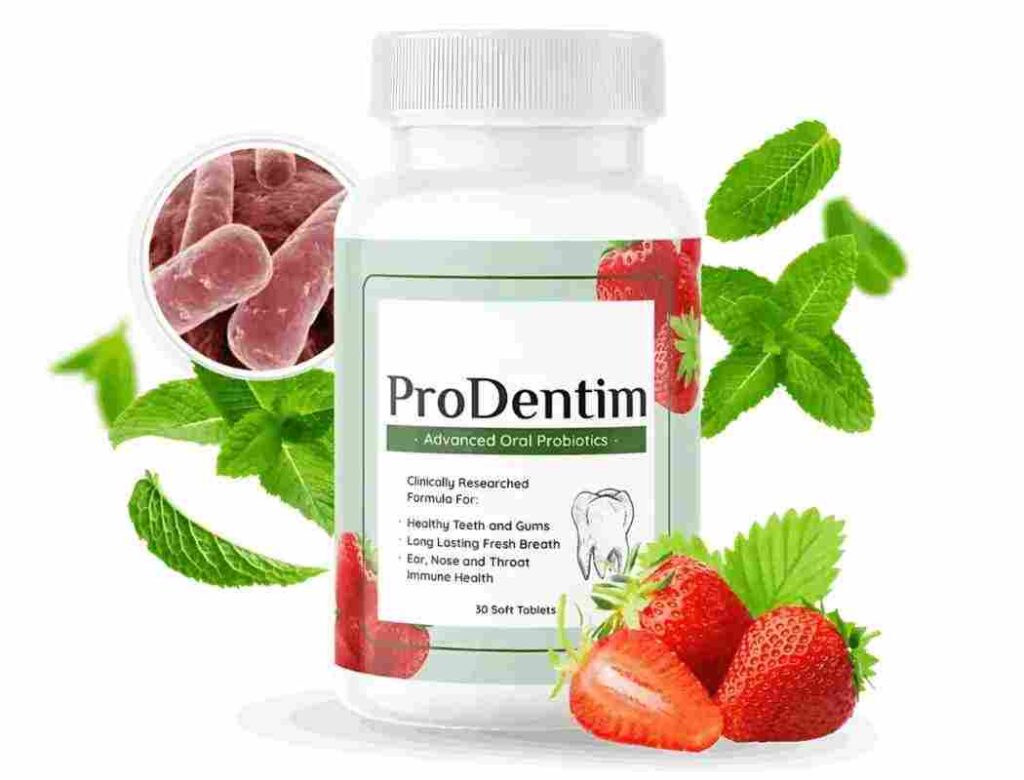
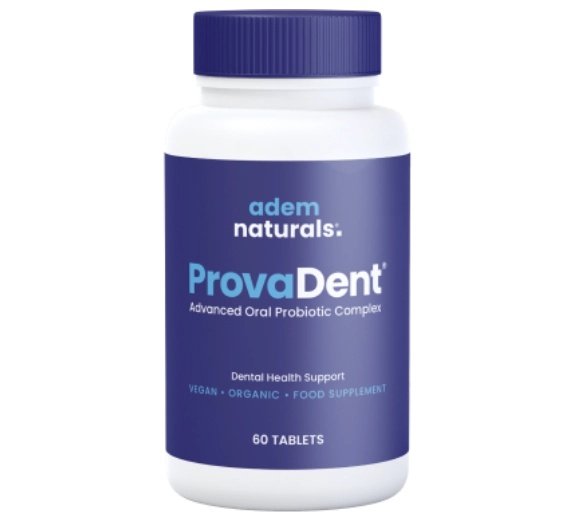
If you’re struggling with dental health issues and looking for extra support, sometimes improving your daily routine isn’t enough on its own. That’s where dental health supplements can make a real difference. While brushing, flossing, and regular dental visits are essential, the right nutrients can help strengthen your teeth and support healthier gums from the inside out.
If you need a dental health supplement, here are some of the best options you should definitely check out: