Falls are one of the biggest concerns for aging adults in the United States. According to the CDC, millions of adults over the age of 65 experience falls every year, and many of those accidents lead to injuries, reduced mobility, and a loss of independence. What surprises many people is that poor balance often starts gradually. It may begin with a slight wobble while climbing stairs, hesitation while walking on uneven ground, or a growing fear of slipping in public places. Over time, that uncertainty can affect confidence and quality of life.
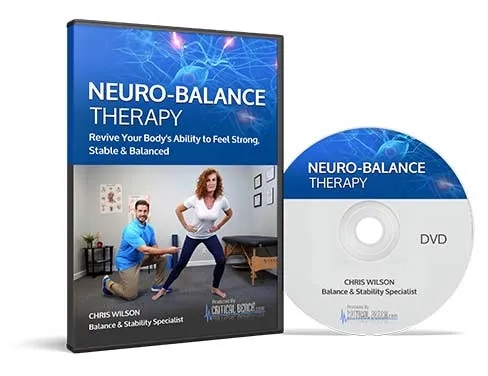
This is where Neuro-Balance Therapy has started gaining attention. Designed by certified trainer Chris Wilson, this home-based program focuses on improving stability, strengthening lower-body muscles, and activating key nerves in the feet that support coordination and movement. Instead of relying on expensive equipment or complicated workouts, the program introduces a short daily routine that can be performed in just 10 to 15 minutes.
Unlike traditional fitness plans that focus only on muscle strength, Neuro-Balance Therapy emphasizes the connection between the brain, nerves, and lower body. The idea behind the system is simple: when the nerves in the feet and legs become less responsive with age, balance and stability can decline. By stimulating these nerves and retraining movement patterns, users may experience improved coordination and greater confidence during daily activities.
In this in-depth review, we’ll explore how Neuro-Balance Therapy works, its benefits, the science behind the exercises, customer feedback, pricing, bonuses, pros and cons, and whether this program is worth trying for seniors and adults who want to stay active and independent.
What Is Neuro-Balance Therapy?
Neuro-Balance Therapy is a digital balance-improvement program created to help people strengthen their lower body, improve mobility, and reduce the risk of falls. The program combines neuromuscular activation techniques, gentle therapeutic exercises, and a specialized spiky ball tool that targets the peroneal nerve in the feet.
The peroneal nerve plays a major role in balance and movement coordination. As people age, this nerve may become less responsive due to inactivity, injuries, or natural nerve decline. According to the creators of Neuro-Balance Therapy, reduced nerve responsiveness can contribute to instability, dizziness, poor posture, and frequent stumbles.
The program is centered around a simple daily ritual that takes around 10 minutes. Users begin by stimulating the foot with the included spike ball. This activation process is designed to “wake up” dormant nerves and improve communication between the brain and lower-body muscles. Afterward, users perform guided movements and balance drills that strengthen the ankles, calves, thighs, and stabilizing muscles.
One reason the program appeals to many adults is its accessibility. The exercises are low-impact, beginner-friendly, and designed for home use. People do not need gym memberships, heavy equipment, or advanced fitness experience to participate. The routines are also progressive, meaning users can start slowly and increase intensity over time.
Another standout feature is the focus on confidence and independence. Many people stop participating in activities they once enjoyed because they fear falling. Whether it’s gardening, walking outdoors, climbing stairs, or shopping alone, balance issues can limit freedom. Neuro-Balance Therapy aims to restore that confidence by helping users feel steadier and more secure during everyday movement.
The program includes video instruction, downloadable guides, and educational materials explaining how balance and nerve activation work together. Because of its straightforward approach and non-invasive methods, Neuro-Balance Therapy has become especially popular among seniors looking for a practical way to stay active without relying on medications or complicated therapies.
How Does Neuro-Balance Therapy Work?
The foundation of Neuro-Balance Therapy lies in neuromuscular re-education. This means the program works to improve communication between the nervous system and muscles responsible for stability and movement. Rather than simply strengthening muscles, the system focuses on retraining the body’s balance response from the ground up.
Stimulating the Peroneal Nerve
The first step involves stimulating the peroneal nerve, which runs along the lower leg and foot. This nerve helps control ankle movement and contributes to overall balance. When the nerve becomes less responsive, the body may react more slowly to sudden changes in movement or uneven surfaces.
The included spike ball is rolled under the foot using gentle pressure. This stimulation activates nerve endings and increases sensory feedback between the feet and the brain. Many users describe this process as a “wake-up call” for the nervous system.
Strengthening Stabilizer Muscles
Once the nerves are activated, users move into targeted exercises. These movements focus on improving lower-body strength and coordination. Instead of intense workouts, the exercises are designed to be manageable for older adults and beginners.
The program targets:
- Ankles
- Calves
- Thighs
- Foot stabilizers
- Core support muscles
These areas are essential for posture, balance, and walking stability.
Improving Proprioception
Another key component is proprioception, which refers to the body’s awareness of movement and position. Strong proprioception helps people react quickly when they trip, stumble, or shift weight unexpectedly.
Neuro-Balance Therapy includes balance drills and movement patterns that train the brain and body to respond more efficiently. Over time, this may improve coordination and reduce unsteady movement.
Consistency and Progression
The program is structured to progress gradually. Beginners can start with simple routines and advance as confidence improves. This makes the system approachable for people recovering from inactivity or those who haven’t exercised regularly.
Consistent use is encouraged because the nervous system adapts over time. Repetition strengthens neural pathways, helping the body maintain improved balance and coordination long term.
The Science Behind Neuro-Balance Therapy
The scientific principles behind Neuro-Balance Therapy revolve around nerve stimulation, muscle strengthening, and movement retraining. While the program itself is not a medical treatment, many of its concepts are connected to established physical therapy and balance-training techniques.
The peroneal nerve is especially important because it helps control foot lifting and ankle stability. Weakness or delayed nerve response in this area can contribute to tripping and instability. Physical therapists often use targeted exercises and sensory stimulation to improve nerve responsiveness in older adults and injury recovery patients.
Research has also shown that balance training can improve mobility and reduce fall risk in aging populations. A study published in the Journal of Geriatric Physical Therapy found that regular balance exercises improved walking confidence and reduced instability in older adults.
Neuro-Balance Therapy incorporates several evidence-based concepts:
| Core Principle | Purpose |
|---|---|
| Nerve stimulation | Improve communication between feet and brain |
| Balance drills | Enhance coordination and reaction time |
| Strength training | Support posture and movement stability |
| Flexibility exercises | Increase mobility and reduce stiffness |
| Progressive movement | Encourage long-term adaptation |
Another scientific aspect involves neuroplasticity, the brain’s ability to adapt and create new neural pathways. Repeating balance exercises consistently may help the nervous system respond faster during movement.
While individual results vary, the program’s methods align with widely accepted strategies used in physical rehabilitation and fall-prevention training.
Key Benefits of Neuro-Balance Therapy
One reason Neuro-Balance Therapy continues gaining popularity is because it addresses several concerns at once. Instead of focusing on just one aspect of fitness, it combines stability, mobility, confidence, and nerve support into a single daily routine.
Improved Balance and Stability
The biggest benefit users report is feeling steadier while walking and standing. Improved balance can make everyday activities feel safer and more comfortable.
Increased Lower Body Strength
The exercises strengthen muscles in the legs, feet, and ankles, which are essential for mobility and posture.
Better Confidence
Fear of falling can cause people to avoid activities they enjoy. Many users report renewed confidence after practicing the program consistently.
Reduced Fall Risk
By improving reaction time, coordination, and posture, the program may help reduce the likelihood of slips and stumbles.
Convenience and Accessibility
The routines can be completed at home without expensive equipment. This makes the system practical for older adults who prefer exercising in a familiar environment.
Gentle and Beginner-Friendly
Unlike intense workout programs, Neuro-Balance Therapy uses low-impact movements suitable for beginners and seniors.
Who Created Neuro-Balance Therapy?
Neuro-Balance Therapy was developed by Chris Wilson, a certified personal trainer with decades of experience helping clients improve mobility, stability, and strength.
Wilson has been certified by the National Academy of Sports Medicine (NASM) since 1999 and also holds credentials in:
- Balance and stability instruction
- Sports nutrition
- Kettlebell training
- Functional movement coaching
His experience working with older adults reportedly inspired the creation of Neuro-Balance Therapy. After noticing that many clients struggled with falls and movement confidence, he developed a system that focused specifically on balance-related nerve activation and lower-body coordination.
The program combines fitness coaching with practical movement techniques, making it accessible for people with different fitness backgrounds.
Neuro-Balance Therapy Reviews
Customer experiences are often one of the most important factors when evaluating a health and wellness program. Neuro-Balance Therapy has received positive feedback from users who say they experienced improvements in balance, mobility, and confidence.
Susan M., 68 — Florida ⭐⭐⭐⭐⭐
“I used to avoid stairs because I felt shaky and nervous every time I climbed them. After using Neuro-Balance Therapy for a few weeks, I noticed a real difference in how steady I felt. The exercises are easy to follow, and I love that I can do them from home. I’ve even started gardening again without constantly worrying about losing my balance.”
Linda K., 73 — Ohio ⭐⭐⭐⭐⭐
“I stopped taking my morning walks because I was afraid of falling on uneven sidewalks. Neuro-Balance Therapy helped me regain confidence in my movement. The routines are gentle but effective, and I can feel my legs getting stronger every week. Walking now feels natural instead of stressful.”
James T., 65 — Texas ⭐⭐⭐⭐⭐
“I didn’t realize how much nerve health affected balance until I tried this program. The spike ball exercises seemed simple at first, but they made a noticeable difference in my stability. I feel more coordinated and haven’t experienced the same stumbling issues I had before. I’d recommend this program to anyone looking to stay active as they age.”
Pros and Cons of Neuro-Balance Therapy
Before purchasing any wellness program, it’s important to look at both the advantages and limitations.
| Pros | Cons |
|---|---|
| Beginner-friendly exercises | Requires consistency for best results |
| Home-based convenience | Not a replacement for medical treatment |
| No expensive equipment needed | Individual results may vary |
| Focuses on nerve activation and balance | Requires daily commitment |
| Suitable for seniors and beginners | Some users may prefer in-person guidance |
| Includes downloadable materials and videos | Digital format may not suit everyone |
What Comes With Neuro-Balance Therapy?
When purchasing the program, users receive access to multiple resources designed to support their progress.
Main Program Features
- Guided exercise videos
- Step-by-step movement demonstrations
- Daily balance routines
- Educational materials about nerve activation
- Downloadable digital manuals
Bonus Materials
The Top 20 Tips to Fall-Proof Your Home
This bonus guide provides practical strategies for making living spaces safer and reducing household fall hazards.
Downloadable Digital Access
Users receive immediate online access to the program and exercise instructions.
Pricing and Money-Back Guarantee
Neuro-Balance Therapy is currently offered at a discounted price of $47, reduced from the regular price of $97.
The purchase also includes a 60-day money-back guarantee. This allows users to try the program and request a refund if they are not satisfied within the guarantee period.
This refund policy may help reduce purchase risk for customers who want to test the system before fully committing.
Is Neuro-Balance Therapy Worth It?
For adults concerned about balance, stability, and mobility, Neuro-Balance Therapy offers a practical and affordable home-based solution. The program combines balance drills, nerve stimulation, and lower-body strengthening exercises into a manageable daily routine.
Its strongest advantages include:
- Beginner-friendly structure
- Focus on fall prevention
- Home convenience
- Gentle movements suitable for seniors
- Emphasis on confidence and independence
While it is not intended to replace professional medical care, many users may find it useful as part of a healthy movement and wellness routine.
People who are consistent with the exercises are more likely to experience improvements over time. Like most fitness and rehabilitation-based systems, regular practice is essential for long-term results.
Conclusion
Neuro-Balance Therapy has positioned itself as a simple yet targeted program for improving balance, coordination, and lower-body stability. By focusing on nerve activation and movement retraining, it takes a different approach compared to traditional fitness programs.
The combination of beginner-friendly exercises, home accessibility, and neuromuscular stimulation makes it especially appealing to older adults who want to maintain independence and confidence in daily life.
With positive customer reviews, a straightforward routine, and a 60-day money-back guarantee, Neuro-Balance Therapy may be worth considering for anyone looking to support mobility and reduce fear of falling naturally.
Frequently Asked Questions
1. How long does Neuro-Balance Therapy take each day?
Most sessions take around 10 to 15 minutes to complete.
2. Do I need exercise experience to use the program?
No. The routines are beginner-friendly and designed for people of different fitness levels.
3. What equipment is required?
The main tool included is the specialized spike ball used for nerve stimulation.
4. How soon can users expect results?
Some users report noticing improvements within a few weeks, though results vary depending on consistency and individual health conditions.
5. Is Neuro-Balance Therapy a medical treatment?
No. The program is a wellness and exercise-based system and should not replace professional medical advice or treatment.
Useful information
- Disclaimer: This article contains affiliate links to products. We may receive a commission for purchases made through these links.
- All information presented here is reviewed for accuracy and clarity by Dr. James Smith, Nutravim Author & Content Reviewer.


Neuro-Balance Therapy
Experience Neuro-Balance Therapy at home to enhance balance, activate foot nerves, and support safer movement daily.
Product Brand: Neuro-Balance Therapy
Product Currency: USD
Product Price: 47
Product In-Stock: InStock