Every article is reviewed by qualified professionals. We maintain editorial independence and follow evidence-based practices.
What Is The Brain Song?
A Quick Overview of the 17-Minute Program
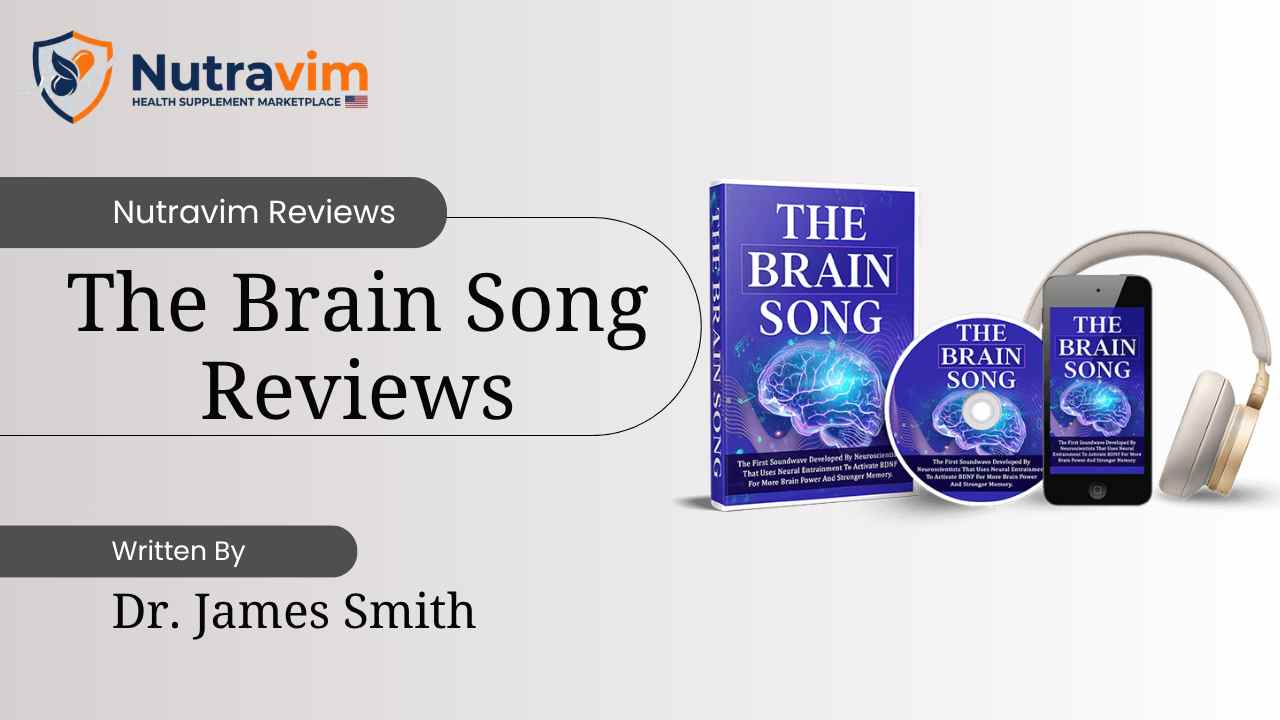
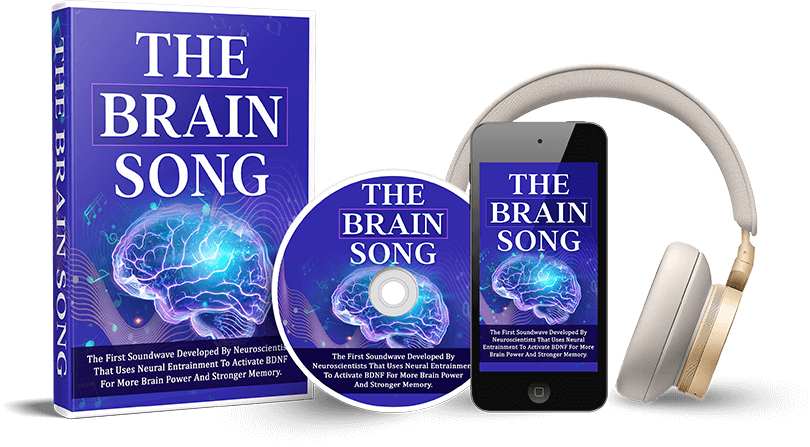
Imagine being able to reset your mind, sharpen your focus, and improve your memory—all in just 17 minutes a day. That’s exactly what The Brain Song claims to do. At its core, this program is a neuroscience-based audio experience designed to stimulate specific brainwave patterns that are linked to higher cognitive performance. Unlike traditional productivity tools or mental exercises, this isn’t about actively doing something—it’s about listening and letting your brain naturally respond.
The simplicity of The Brain Song is one of its biggest draws. There are no complicated routines, no steep learning curves, and no expensive equipment required. All you need is a pair of headphones and a quiet environment. Once you press play, the program uses carefully engineered sound frequencies to guide your brain into a more optimized state. It’s almost like tuning a musical instrument—except the instrument is your mind.
What makes this concept particularly intriguing is how it taps into the natural rhythms of the brain. Rather than forcing change through effort, it encourages your brain to align itself with frequencies associated with clarity, learning, and focus. Many users describe the experience as both calming and energizing, which might sound contradictory—but that balance is exactly what makes it appealing.
In a world where distractions are everywhere and mental fatigue is common, tools like The Brain Song are gaining traction. People are constantly searching for ways to think faster, remember more, and feel mentally sharp, and this program promises to deliver all three in a convenient, time-efficient format.
| Category | Details |
| Product Name | The Brain Song |
| Product Type | Cognitive Support , Memory Booster |
| Package Options | Program |
| Guarantee | 90-day satisfaction guarantee |
| Official Website | Visit The Official Website → |
| Overall User Rating | ⭐⭐⭐⭐⭐ (high satisfaction and returning users) |
Who Created The Brain Song?
Behind every product that claims scientific credibility, there’s always an important question: who actually made it? While The Brain Song is marketed as a science-backed solution, it draws inspiration from broader neuroscience research, particularly studies focused on brainwave entrainment and cognitive enhancement. Some of these concepts have been explored in academic settings, including initiatives like MIT’s Brain Aging research, which investigates how brainwave activity influences memory and mental clarity.
Rather than being tied to a single well-known scientist, The Brain Song appears to be the result of collaborative insights from neuroscience, sound engineering, and cognitive psychology. This kind of interdisciplinary approach is becoming more common in modern wellness products. It blends hard science with practical usability, aiming to create something that works in real life—not just in a lab.
That said, it’s important to maintain realistic expectations. While the foundational ideas—like Gamma brainwave stimulation—are supported by research, the exact effectiveness of any specific audio program can vary from person to person. Factors like consistency, lifestyle, and overall health all play a role in how noticeable the results will be.
Still, the creators have clearly focused on making the program accessible. By eliminating barriers like complex instructions or ongoing subscriptions, they’ve positioned The Brain Song as something almost anyone can try. It’s this combination of scientific inspiration and everyday usability that makes it stand out in a crowded market of brain-training tools.
How Does The Brain Song Work?
Understanding Gamma Brainwaves
To really understand The Brain Song, you have to look at what’s happening inside your brain. Your brain operates using electrical signals, and these signals form patterns known as brainwaves. Among the different types—delta, theta, alpha, beta—there’s one that stands out when it comes to high-level thinking: Gamma brainwaves.
Gamma waves are often associated with peak mental performance. They show up when you’re deeply focused, solving complex problems, or experiencing moments of insight. Think about those times when everything just “clicks”—that’s your brain operating in a high-frequency, synchronized state. Researchers have also linked Gamma activity to memory formation and information processing, which explains why it’s such a key target for cognitive enhancement tools.
The Brain Song aims to stimulate these Gamma waves using sound. It’s not about forcing your brain into a state—it’s more like gently nudging it. By exposing your mind to specific frequencies, the program encourages your brain to naturally match those patterns. This process is often described as brainwave entrainment, and it’s the foundation of how the program works.
What’s fascinating is that this doesn’t require conscious effort. You don’t have to focus, meditate, or even fully understand what’s happening. Your brain does the work automatically, responding to the audio cues in the background. Over time, this repeated stimulation may help strengthen neural pathways associated with focus and memory.
Of course, it’s not magic. Results can vary, and consistency is key. But the idea of improving mental clarity simply by listening to sound is both intriguing and surprisingly practical.
The Role of Neural Entrainment
Neural entrainment might sound like a complex scientific term, but the concept is actually quite intuitive. It refers to the brain’s natural ability to synchronize its activity with external stimuli, such as sound or light. If you’ve ever found yourself tapping your foot to a rhythm without thinking about it, you’ve already experienced a simple form of entrainment.
The Brain Song leverages this principle by delivering precisely calibrated audio frequencies that guide your brain into a more balanced and efficient state. As you listen, your brain begins to align with these frequencies, creating a sense of calm focus. It’s like having a metronome for your mind, helping everything run more smoothly.
One of the key benefits of neural entrainment is that it can help reduce mental noise. In today’s fast-paced world, our brains are often overloaded with information, leading to stress, distraction, and fatigue. By promoting synchronization between different regions of the brain, The Brain Song may help clear that clutter, making it easier to think clearly and stay focused.
Another interesting aspect is how it may influence communication between the brain’s hemispheres. When both sides of the brain are working in harmony, cognitive processes like problem-solving and creativity tend to improve. This is why some users report feeling not just more focused, but also more mentally flexible and creative after using the program.
Still, it’s worth noting that while neural entrainment has scientific backing, its effectiveness can depend on factors like audio quality, listening environment, and individual brain chemistry. That’s why consistent use and realistic expectations are essential.
The Science Behind The Brain Song
Brainwave Frequencies Explained
If you’ve ever wondered why some days your brain feels sharp and unstoppable while other days it feels like it’s stuck in slow motion, the answer often lies in brainwave activity. Your brain isn’t just “on” or “off”—it operates across different frequencies, each associated with specific mental states. Understanding these frequencies helps explain why programs like The Brain Song are gaining attention in the cognitive wellness space.
There are five primary brainwave categories: delta, theta, alpha, beta, and gamma. Delta waves dominate during deep sleep, theta is linked to creativity and intuition, alpha appears during relaxed focus, beta is active during normal waking consciousness, and gamma represents the highest level of cognitive functioning. Gamma waves, in particular, are associated with learning, memory integration, and heightened awareness. They are often observed in individuals performing complex mental tasks or experiencing moments of insight.
The Brain Song is designed to stimulate not just one, but a balanced interaction between multiple brainwave states, with a strong emphasis on gamma activation. This balance is important because your brain needs flexibility. For example, you need alpha waves to relax, beta waves to stay alert, and gamma waves to process information efficiently. It’s not about locking your brain into a single state—it’s about helping it transition smoothly between them.
What makes sound-based stimulation appealing is its passive nature. Instead of forcing your brain into a state through effort, it uses external auditory cues to gently guide your brain into alignment. This can feel almost effortless, which is why many users describe the experience as both calming and mentally energizing at the same time.
However, it’s important to stay grounded in reality. While the theory behind brainwave entrainment is supported by research, the extent of its effectiveness can vary. Factors like your stress levels, sleep quality, and even hydration can influence how your brain responds. Still, the idea of using sound to support mental performance is both practical and increasingly relevant in a world where cognitive overload is the norm.
BDNF and Brain Health
Another key concept often mentioned alongside The Brain Song is BDNF, or Brain-Derived Neurotrophic Factor. It might sound like something straight out of a medical textbook, but it plays a crucial role in how your brain grows, adapts, and stays healthy over time. In simple terms, BDNF acts like a fertilizer for your brain cells, supporting their growth, repair, and connectivity.
Higher levels of BDNF are associated with better memory, faster learning, and improved mental resilience. It’s also linked to long-term brain health, which becomes increasingly important as we age. This is why many cognitive enhancement strategies—like exercise, proper nutrition, and quality sleep—focus on boosting BDNF levels.
The Brain Song claims to support BDNF production indirectly by encouraging optimal brainwave activity. The idea is that when your brain operates in a more synchronized and efficient way, it creates an environment that’s more conducive to neuroplasticity, which is your brain’s ability to adapt and form new connections. Think of it like upgrading the wiring system in your brain—making everything run smoother and more efficiently.
There’s some scientific basis for this connection. Studies have shown that certain mental states, particularly those involving focus and relaxation, can influence biochemical processes in the brain, including BDNF activity. However, it’s important to note that audio stimulation alone is unlikely to be a magic bullet. It works best when combined with other healthy habits, like staying physically active and managing stress.
What makes this aspect of The Brain Song compelling is how it ties together short-term benefits—like improved focus—with long-term brain health. Instead of just offering a quick mental boost, it positions itself as a tool for sustainable cognitive improvement. Whether or not it fully delivers on that promise depends on consistent use and realistic expectations, but the underlying concept is certainly grounded in modern neuroscience.
Key Benefits of The Brain Song
Cognitive Performance and Memory
One of the biggest reasons people turn to programs like The Brain Song is the promise of better memory and sharper thinking. In a world where information overload is constant, being able to retain and recall information quickly isn’t just a nice-to-have—it’s a real advantage. The Brain Song aims to support this by creating the right internal environment for your brain to function at its best.
Users often report improvements in areas like focus, concentration, and mental clarity. Instead of feeling scattered or overwhelmed, they describe a sense of mental organization—like their thoughts are easier to manage and process. This can be particularly helpful for tasks that require sustained attention, such as studying, problem-solving, or working on complex projects.
Memory is another area where the program claims to make a difference. By stimulating gamma brainwaves, which are linked to information processing and retention, The Brain Song may help strengthen the pathways involved in learning. This doesn’t mean you’ll suddenly develop a photographic memory, but it could make it easier to absorb and recall information over time.
There’s also an interesting psychological component at play. When your mind feels clear and focused, you’re naturally more confident in your ability to think and perform. This confidence can create a positive feedback loop, where improved performance leads to increased motivation, which in turn leads to even better results.
That said, it’s important to approach these benefits with a balanced perspective. While many users experience noticeable improvements, results aren’t guaranteed. Cognitive performance is influenced by many factors, including sleep, diet, and stress levels. The Brain Song can be a helpful tool, but it works best as part of a broader approach to mental well-being.
Emotional Balance and Stress Reduction
Mental performance isn’t just about thinking faster or remembering more—it’s also about how you feel. Stress, anxiety, and mental fatigue can all interfere with your ability to function at your best. This is where The Brain Song’s focus on emotional balance comes into play.
By guiding your brain into a more synchronized state, the program may help reduce the kind of mental clutter that leads to stress. Many users describe feeling calmer and more centered after listening, even if they started out feeling overwhelmed. It’s not about eliminating stress entirely—that’s unrealistic—but about making it more manageable.
One of the reasons this works is because of how brainwave activity influences your nervous system. Certain frequencies are associated with relaxation, while others are linked to alertness. The Brain Song aims to strike a balance between the two, creating a state of calm focus. This can be especially useful in high-pressure situations, where you need to stay composed while still thinking clearly.
There’s also a potential impact on sleep. When your mind is less stressed and more balanced, it’s easier to wind down at the end of the day. Better sleep, in turn, supports everything from memory to mood, creating a cycle of improvement that extends beyond the 17-minute listening session.
Still, it’s worth noting that this isn’t a replacement for addressing deeper mental health concerns. If someone is dealing with chronic stress or anxiety, they may need additional support. The Brain Song can complement those efforts, but it shouldn’t be seen as a standalone solution.
What it does offer is a simple, accessible way to introduce moments of calm and clarity into your daily routine. And in a fast-paced world, that alone can make a meaningful difference.
Key Features of The Brain Song
Daily Usage and Accessibility
One of the most appealing aspects of The Brain Song is how effortlessly it fits into everyday life. Let’s be honest—most people don’t stick with complicated routines, no matter how beneficial they claim to be. That’s where this program stands out. With just 17 minutes per day, it removes the common barriers that usually come with self-improvement tools. There’s no steep learning curve, no need to block out hours of your schedule, and no requirement for special training.
You can use The Brain Song almost anywhere—at home, during a break at work, or even while winding down before bed. All it takes is a quiet space and a pair of headphones. That level of accessibility makes it particularly appealing for busy professionals, students, and even older adults looking to maintain cognitive sharpness without adding complexity to their routines. It’s as simple as pressing play and letting the audio do the work.
Another thing worth noting is the digital delivery format. Once purchased, the program is instantly accessible across devices—smartphones, tablets, or computers. This eliminates waiting times and makes it easy to stay consistent, which is crucial for any cognitive enhancement method. Consistency is where real change happens, and The Brain Song’s design encourages exactly that.
There’s also a psychological advantage to short, manageable sessions. When something feels easy to start, you’re far more likely to stick with it. Over time, this consistency can compound into noticeable improvements. Think of it like brushing your teeth—you don’t expect instant results from one session, but daily practice leads to long-term benefits.
Still, accessibility doesn’t automatically equal effectiveness. While the program is easy to use, users should approach it with realistic expectations. It’s not a miracle fix, but rather a supportive tool that works best when integrated into a healthy lifestyle.
Safety and Natural Approach
In a market flooded with supplements, stimulants, and quick fixes, The Brain Song positions itself as a natural and non-invasive alternative. That’s a significant selling point, especially for individuals who are cautious about what they put into their bodies. There are no pills, no chemicals, and no physical side effects typically associated with its use.
The program relies entirely on sound-based stimulation, which means it works with your brain’s existing processes rather than introducing external substances. This makes it suitable for a wide range of users, including those who may be sensitive to caffeine or other cognitive enhancers. It’s also a good option for people who prefer a more holistic approach to mental performance.
Safety, however, isn’t just about what something doesn’t contain—it’s also about how it’s used. Listening at a comfortable volume and in a relaxed setting is important. Overexposure to loud audio can be counterproductive, so moderation and proper usage still matter. Fortunately, the program’s short duration helps minimize any potential risks.
Another advantage of this natural approach is that it encourages long-term sustainability. Unlike stimulants that can lead to dependency or diminishing returns, sound-based methods aim to support your brain’s natural rhythms. This aligns well with the growing trend toward wellness practices that prioritize balance over intensity.
That said, it’s important to recognize limitations. While The Brain Song is generally safe, it shouldn’t be seen as a replacement for medical treatment or professional advice. Individuals with neurological conditions or severe cognitive issues should consult a healthcare provider before relying on any such program.
In essence, The Brain Song offers a low-risk, accessible entry point into cognitive enhancement, making it appealing to those who want to improve mental performance without overcomplicating their lives.
Pros and Cons of The Brain Song
When evaluating any product, especially one related to cognitive health, it’s important to look at both sides of the equation. The Brain Song offers several compelling advantages, but it’s not without its limitations.
On the positive side, its ease of use is a major strength. The short daily session makes it accessible to almost anyone, regardless of schedule. It’s also non-invasive and drug-free, which appeals to those looking for natural alternatives. Many users report improvements in focus, memory, and overall mental clarity, along with reduced stress levels.
However, there are also some drawbacks to consider. Results can vary significantly from person to person, and some users may not notice immediate changes. The scientific foundation, while promising, is still an evolving field, and brainwave entrainment isn’t universally accepted as a guaranteed method for cognitive enhancement. Additionally, it shouldn’t be viewed as a replacement for medical treatment or a substitute for healthy lifestyle habits.
Ultimately, The Brain Song is best seen as a supportive tool rather than a standalone solution. Its effectiveness depends on consistent use and realistic expectations.
Pricing, Bonuses, and Guarantee
When it comes to pricing, The Brain Song positions itself as a one-time investment rather than a recurring expense, which is refreshing in a market full of subscriptions. At around $39 (discounted from a higher listed price), it sits in a range that feels accessible to most people while still signaling value. There are no hidden fees, no monthly charges, and no upsells required to access the core program.
This pricing model matters more than it might seem at first glance. Many cognitive tools rely on ongoing payments, which can add up quickly over time. By offering a one-time purchase, The Brain Song removes that long-term financial commitment, making it easier for users to try it without feeling locked in.
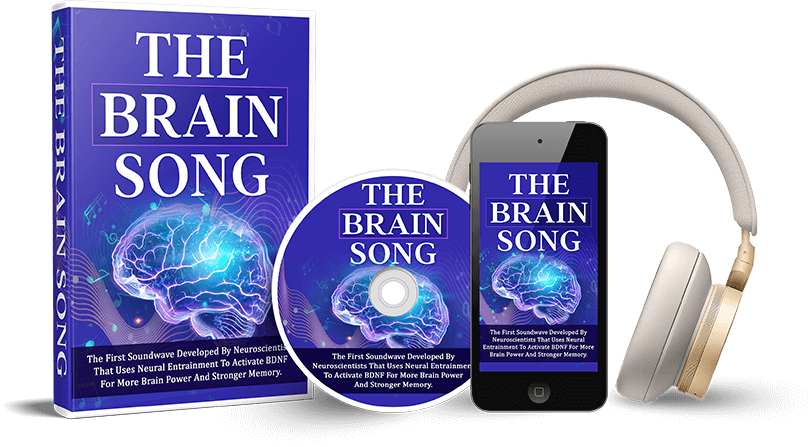

In addition to the main audio program, the package includes three bonus resources designed to complement the listening experience. These bonuses aren’t just filler—they’re meant to reinforce the same goal of improving memory and cognitive performance from different angles.
- The “1-Minute Memory Saver” focuses on quick techniques for locking information into long-term memory.
- The “15 Memory Smoothies” guide introduces nutritional support, highlighting how diet can influence brain health.
- The “5 Key Habits for Stronger Memory” infographic provides simple, visual reminders of daily practices that support cognitive function.
These additions help round out the program, turning it into more of a holistic approach to brain health rather than just a standalone audio track.
Another major selling point is the 90-day money-back guarantee. This reduces the risk significantly, especially for skeptical users. If the program doesn’t meet expectations, customers can request a refund without complicated conditions. That kind of policy suggests a level of confidence from the creators, but it also gives users peace of mind.
Delivery is entirely digital, which means instant access after purchase. There’s no waiting, no shipping costs, and no physical product to manage. Everything can be accessed from your preferred device, making it easy to start immediately.
Of course, price alone shouldn’t determine value. The real question is whether the program delivers results that justify the cost. For some users, even a small improvement in focus or memory can be worth far more than the purchase price. For others, especially those expecting dramatic changes, the perceived value may vary.
In the end, The Brain Song offers a low-risk, moderately priced entry point into the world of brainwave-based cognitive enhancement, supported by additional resources and a strong refund policy.
How to Use The Brain Song Effectively
Getting the most out of The Brain Song isn’t complicated, but there’s definitely a difference between casually trying it and using it in a way that actually delivers results. Think of it like going to the gym—showing up once won’t do much, but consistent, intentional use can create real change over time. The same principle applies here, even though the process itself feels effortless.
First, environment matters more than people expect. While the program can technically be used anywhere, you’ll get better results in a anywhere, you’ll get better results in a quiet, distraction-free space. Your brain needs a bit of breathing room to fully sync with the audio frequencies. If you’re multitasking—scrolling your phone, answering emails, or watching TV—you’re essentially diluting the effect. The goal is to let your mind settle into the sound, not compete with it.
Headphones are also important. This isn’t just a suggestion—it’s part of how the program works. The audio is designed to deliver specific frequencies to each ear, which helps create the entrainment effect. Using speakers might still be relaxing, but it won’t provide the same level of precision or impact.
Timing can play a role as well. Some people prefer using The Brain Song in the morning as a mental primer for the day, helping them start with clarity and focus. Others find it more effective in the evening, using it as a way to unwind and reset after a long day. There’s no universal “best time,” so it’s worth experimenting to see what fits your routine and goals.
Consistency, however, is non-negotiable. Listening once or twice won’t produce lasting results. The brain responds to patterns, and regular exposure helps reinforce those patterns over time. Even if the changes feel subtle at first, sticking with it for a few weeks is where users tend to notice the difference.
It’s also smart to pair The Brain Song with healthy lifestyle habits. Proper sleep, hydration, and nutrition all influence brain function. The audio can enhance your mental state, but it works best when your body is already supported. Think of it as part of a larger system rather than a standalone fix.
Finally, keep your expectations realistic. This isn’t a shortcut to instant genius or a replacement for effort. What it can do is help create the conditions for better focus, clearer thinking, and improved mental performance. Used correctly, it becomes a quiet but powerful addition to your daily routine.
Real User Experiences and Testimonials
Rebecca Smith – Iowa, USA ⭐⭐⭐⭐⭐
Rebecca, a 34-year-old marketing professional, describes her experience with The Brain Song as unexpectedly transformative. Before trying the program, she struggled with what she called “mental clutter.” Her job required constant multitasking, and by the end of the day, she often felt drained and unfocused. Simple things like remembering client details or staying engaged in long meetings became increasingly difficult.
After incorporating The Brain Song into her daily routine, she noticed subtle changes within the first week. “It wasn’t like a switch flipped overnight,” she explained, “but I started feeling more present. My thoughts weren’t racing as much, and I could actually focus on one task at a time.” Over the following weeks, those small improvements compounded into something more noticeable. She reported better recall during meetings and a greater sense of control over her workload.
What stood out most to her was the effortless nature of the process. Unlike other methods she had tried—like meditation apps or productivity hacks—this didn’t require active participation. “I just listened,” she said, “and somehow that was enough to make a difference.”
Rebecca also mentioned improvements in her mood. She felt less overwhelmed and more balanced, even during high-pressure situations. While she acknowledged that it wasn’t a cure-all, she described it as a valuable addition to her daily routine, particularly for maintaining mental clarity in a demanding job.
Her experience highlights an important point: the benefits of The Brain Song may not always be dramatic at first, but they can build over time with consistent use.
Mary Seilbe – Washington, USA ⭐⭐⭐⭐⭐
Mary, a 52-year-old teacher, turned to The Brain Song out of concern for her memory. She had started noticing small lapses—forgetting names, misplacing items, and struggling to recall information she once knew easily. While these changes can be a normal part of aging, they still caused her frustration and चिंता about long-term cognitive health.
She approached the program with cautious optimism. “I’ve seen so many products make big promises,” she said, “so I didn’t expect much.” However, after a few weeks of daily listening, she began to notice improvements. “It felt like my mind was waking up again,” she explained. She found it easier to recall lesson plans, engage with her students, and stay mentally sharp throughout the day.
One of the most meaningful changes for her was the boost in confidence. Memory issues had made her second-guess herself, but as her recall improved, so did her sense of self-assurance. “I didn’t realize how much it was affecting me until it started getting better,” she admitted.
Mary also appreciated the program’s simplicity. As someone with a busy schedule, she valued the fact that it didn’t require extra effort or time beyond the 17-minute session. It became a part of her morning routine, almost like a mental warm-up for the day ahead.
While she acknowledged that results might vary for others, she described The Brain Song as a supportive and reassuring tool, particularly for those concerned about maintaining cognitive health as they age.
Samuel Riccardo – Delawere, USA ⭐⭐⭐⭐⭐
Samuel, a 41-year-old software engineer, initially approached The Brain Song with skepticism. Coming from a technical background, he was wary of anything that sounded too good to be true. However, his demanding job required intense focus and problem-solving, so he decided to give it a try.
In the beginning, he didn’t notice much of a difference. “The first few sessions just felt relaxing,” he said. But after about two weeks, he began to experience changes in how he approached his work. “I could stay focused for longer periods without getting mentally fatigued,” he explained. Complex problems that once felt overwhelming became easier to break down and solve.
What impressed him most was the consistency of the results. On days when he used The Brain Song, he felt more mentally prepared and less prone to distraction. “It’s not like it turns you into a genius overnight,” he noted, “but it definitely helps you operate closer to your full potential.”
Samuel also appreciated the lack of side effects. Unlike caffeine or energy drinks, which he had relied on in the past, this didn’t lead to crashes or jitteriness. It provided a more stable and sustainable form of mental clarity.
While he remains cautious about the scientific claims, he considers The Brain Song a worthwhile tool for improving focus and productivity. “It’s not magic,” he said, “but it works well enough for me to keep using it.”
Final Verdict: Is The Brain Song Worth It?
The Brain Song sits at an interesting intersection between science, wellness, and convenience. It doesn’t ask for much—just 17 minutes a day—but it promises something many people are actively searching for: better focus, sharper memory, and clearer thinking. The real question is whether it lives up to that promise in a meaningful way.
From a practical standpoint, its biggest strength is simplicity. There’s no learning curve, no complicated setup, and no ongoing commitment beyond pressing play. That alone makes it more accessible than many other cognitive enhancement tools. In a world where attention is constantly pulled in different directions, something that requires minimal effort has a clear advantage.
The science behind it—particularly brainwave entrainment and gamma stimulation—is grounded in legitimate research, but it’s still an evolving field. That means the concept is credible, but not definitive. Some users experience noticeable improvements, while others may find the effects subtle or gradual. This variability is important to acknowledge, especially for those expecting dramatic transformations.
Where The Brain Song seems to deliver most consistently is in creating a sense of mental clarity and calm focus. Even users who remain skeptical about the deeper claims often report that it helps them feel more centered and less mentally cluttered. And in many cases, that alone can lead to better performance in daily tasks.
It’s also worth considering what it doesn’t do. It doesn’t replace healthy habits, medical treatment, or genuine skill development. You still need to sleep well, eat properly, and engage your brain actively. The program works best as a supportive layer, not a standalone solution.
So, is it worth it? If you’re looking for a simple, low-risk way to support your cognitive performance—and you’re willing to use it consistently—it’s a reasonable investment. If you’re expecting instant, life-changing results with no effort, you’ll likely be disappointed.
The Brain Song isn’t magic, but it doesn’t need to be. Its value lies in offering a practical, accessible tool that can help you operate a little closer to your mental best.
FAQs About The Brain Song
- How long does it take to see results with The Brain Song?
Results can vary depending on the individual, but many users report noticing subtle changes within the first one to two weeks of consistent use. These changes often include improved focus, reduced mental clutter, and a greater sense of clarity. More noticeable improvements in memory and cognitive performance may take a few weeks of daily listening. Like most brain-related processes, progress tends to be gradual rather than immediate.
- Is The Brain Song safe to use every day?
Yes, The Brain Song is generally considered safe for daily use because it relies on non-invasive sound-based stimulation rather than chemicals or physical interventions. However, it’s important to listen at a comfortable volume and follow the recommended usage guidelines. Individuals with specific neurological conditions should consult a healthcare professional before starting any new cognitive program.
- Do I need headphones for The Brain Song to work?
Headphones are strongly recommended because the program uses binaural audio techniques, which deliver slightly different frequencies to each ear. This is essential for creating the brainwave entrainment effect. While you can listen without headphones, the effectiveness may be significantly reduced.
- Can The Brain Song replace meditation or other brain-training methods?
Not exactly. The Brain Song can complement practices like meditation, mindfulness, or cognitive training, but it shouldn’t be seen as a direct replacement. Each method works in different ways, and combining them may actually produce better results. Think of The Brain Song as an additional tool rather than a substitute.
- Is there scientific proof that The Brain Song works?
The underlying principles—such as brainwave entrainment and gamma frequency stimulation—are supported by scientific research. However, the effectiveness of any specific program can vary, and more large-scale studies are needed to fully validate these types of products. While many users report positive experiences, it’s best to approach the claims with balanced expectations.
Useful information
- Disclaimer: This article contains affiliate links to products. We may receive a commission for purchases made through these links.
- All information presented here is reviewed for accuracy and clarity by Dr. James Smith, Nutravim Author & Content Reviewer.